 Technic Wood
Wood guide
Deodar Wood Furniture and Doors
Deodar, the Himalayan cedar, is Pakistan's national tree. Its fragrant, oily timber naturally resists insects and decay, which is why it has framed doors and windows for centuries.
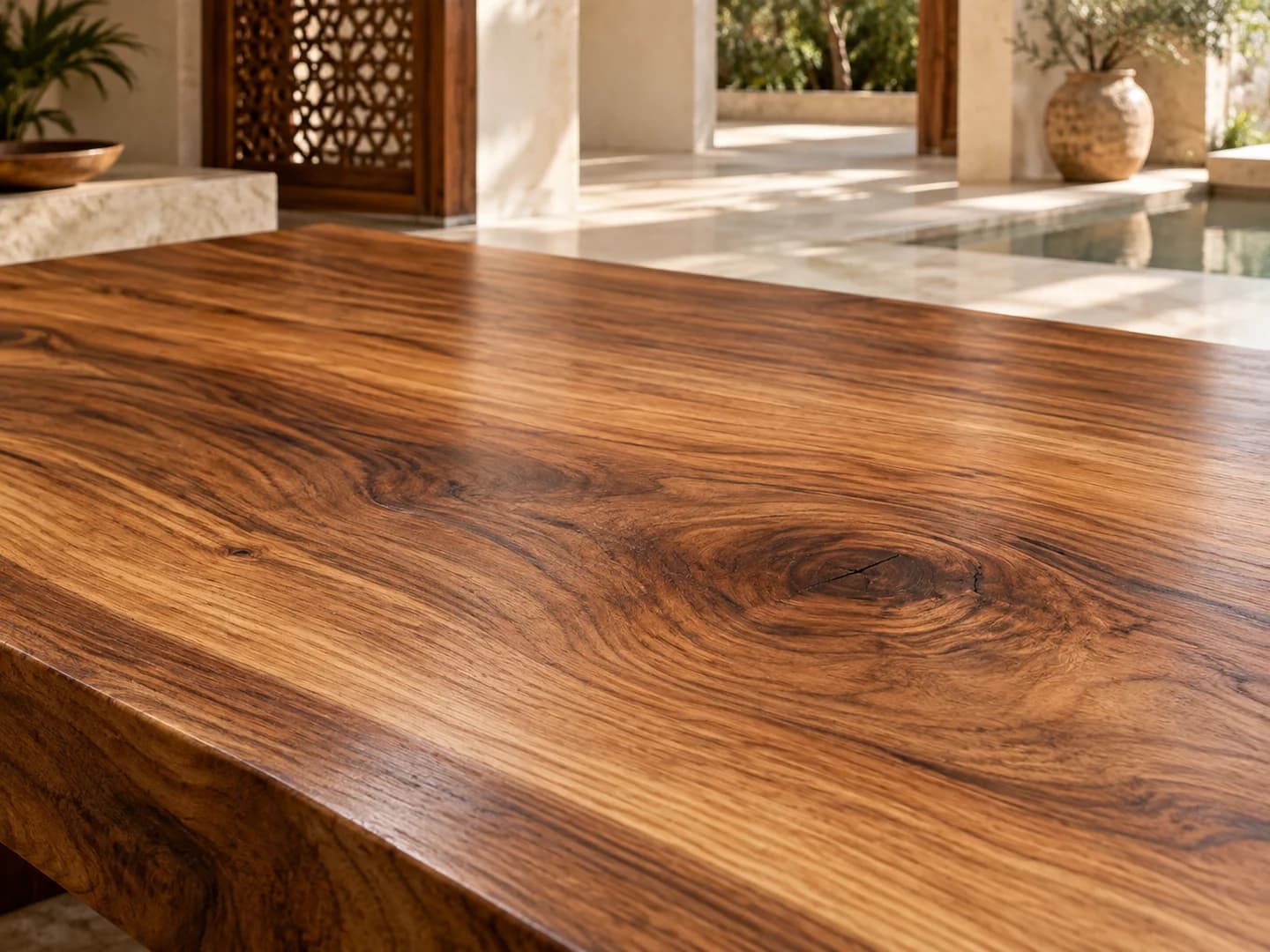
Deodar in Pakistani homes
Traditional havelis, mosques and homes across Pakistan used deodar for carved doors, balconies and ceilings – some still standing after generations. The wood's natural oils keep insects and fungus away, which is exactly what you want in timber that faces the weather or sits against a masonry wall.
Today deodar remains a respected choice for main doors, window frames and cupboard interiors, where its insect resistance and fragrance are real advantages.
Deodar for construction woodwork
In our finishing work, doors and frames are among the decisions with the longest life. Deodar, teak and well-seasoned sheesham are the classic solid wood options; engineered doors are a lower-cost alternative for internal rooms. We help you choose based on location, exposure and budget.
Deodar furniture
As furniture, deodar works well for storage pieces – chests, wardrobes and cabinets – where its scent and insect resistance protect clothes and linen. For tabletops and bed frames that take more knocks, a harder wood is usually the better choice. Browse wardrobes or ask us about a custom piece.
Choosing and buying deodar
Because deodar supply in Pakistan is limited and regulated, good-quality, well-seasoned timber is worth asking about before you commit to a design. Straight-grained heartwood with few knots is best for doors and frames; knotty wood can look attractive in panelling but is less suitable for parts that carry load or need to stay perfectly straight.
Deodar's resin is part of what protects it, but it also means finishes need to be chosen carefully. A sealer that suits resinous woods prevents sticky spots bleeding through paint or lacquer. Many owners prefer a clear or lightly tinted finish that shows the warm grain and lets the cedar scent come through, especially in wardrobe and cupboard interiors.
A wood with heritage
Carved deodar doors, jharokas and ceilings are part of the architectural heritage of Punjab and northern Pakistan. Using deodar for a main door or a ceiling detail in a new home is a quiet nod to that tradition, and it pairs well with brick, plaster and natural stone.
Deodar: pros and cons
Pros
- Natural oils give strong resistance to termites and rot
- Pleasant cedar fragrance
- Stable and straight-grained – good for doors and frames
- Lighter than most hardwoods
- Deep cultural heritage in Pakistani architecture
Cons
- Softer surface dents more easily than hardwoods
- Supply is limited and regulated, which affects price
- Resin can bleed through some finishes
- Less suited to delicate fine-furniture details
Best uses for deodar
- Main and internal doors
- Window frames
- Wardrobe and cupboard interiors
- Ceilings and panelling
- Chests and storage
Caring for deodar furniture
- Seal exterior doors and frames and refresh the finish as it weathers.
- Dust and wipe interiors; the cedar scent is part of its charm.
- Use felt pads – the softer surface can dent.
- Do not paint over unsealed resin pockets.
Deodar furniture available now
No deodar pieces listed right now
Deodar: FAQs
Is deodar a hardwood?
No. Deodar is a softwood (a conifer), but it is durable thanks to its natural oils and resistance to insects and decay.
Is deodar good for main doors?
Yes. It is one of the traditional choices for doors and frames in Pakistan because it resists termites and weather well when sealed.
Why does deodar smell?
Deodar contains aromatic natural oils. The cedar scent is strongest when the wood is freshly worked and fades gently over time; it is one reason deodar is used for cupboards and chests.
Is deodar expensive in Pakistan?
Deodar sits in the mid-range to premium bracket because supply is limited and regulated. Prices depend on grade, board size and availability.
Compare deodar with other woods
- Teak →Premium oily hardwood that resists moisture – for doors and outdoor pieces.
- Pine →Light, affordable softwood that is easy to paint – great for kids' rooms.
- Sheesham →The classic Pakistani hardwood: strong, warm brown and richly grained.
- Oak →Hard-wearing, light-toned hardwood with a bold grain for modern interiors.
- Sheesham vs oak vs walnut →Side-by-side comparison of the three favourite hardwoods.
- How to choose solid wood furniture →Joinery, seasoning and finish – what to check.
Want something made in deodar?
Send us a product link, photo or sketch with the size you need on WhatsApp and we will reply with options and a quote.